i.
Données probantes graduées par niveaux
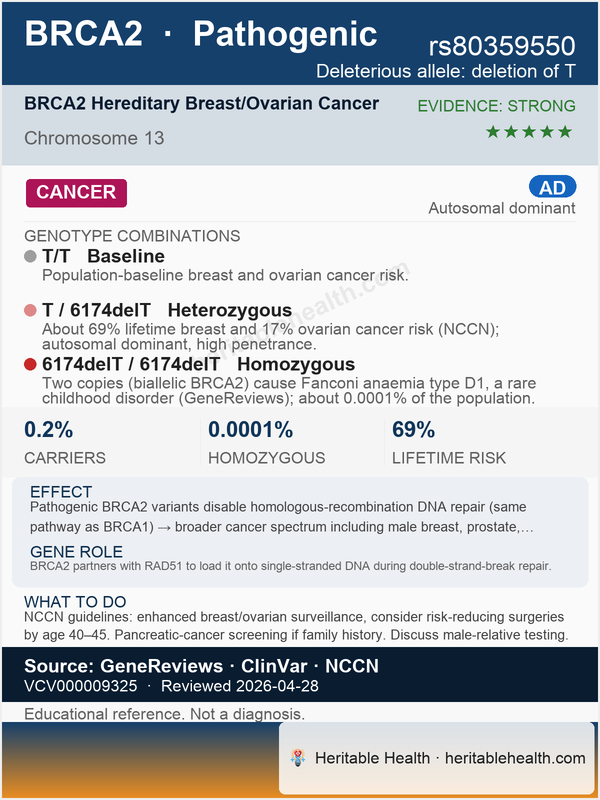
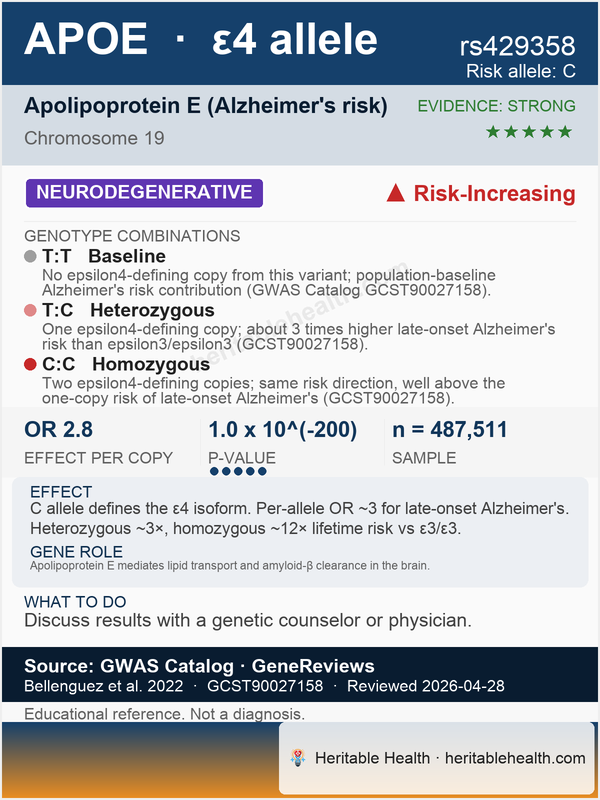
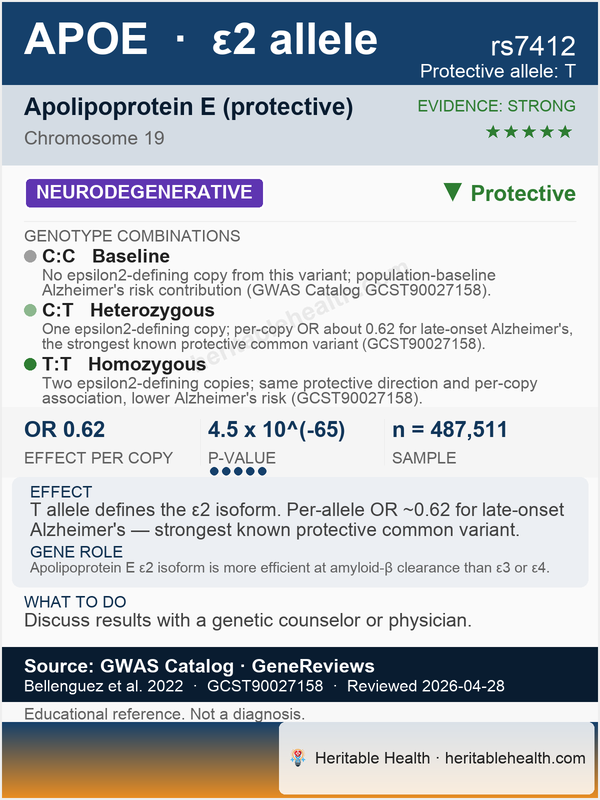
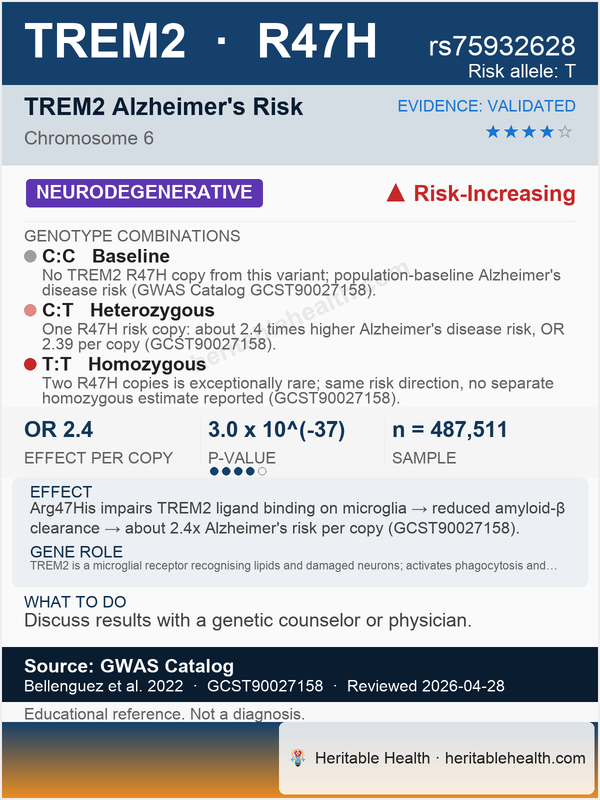
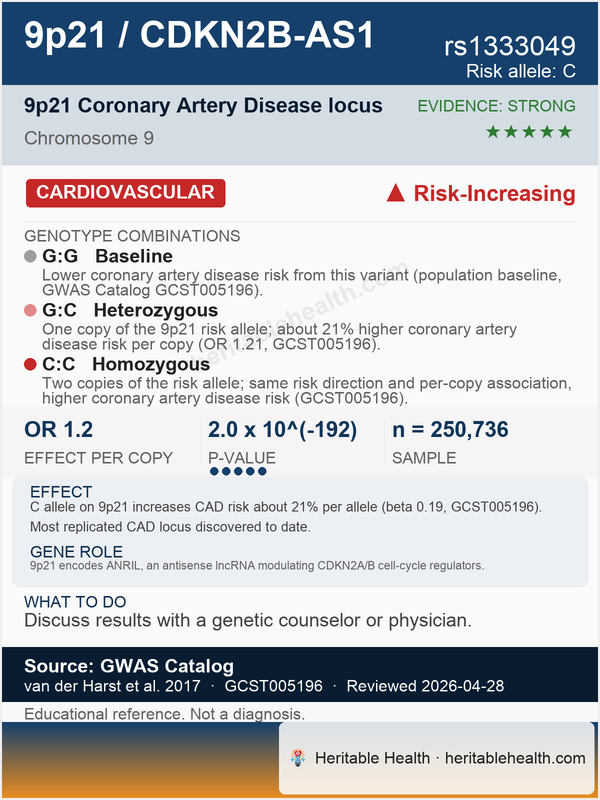
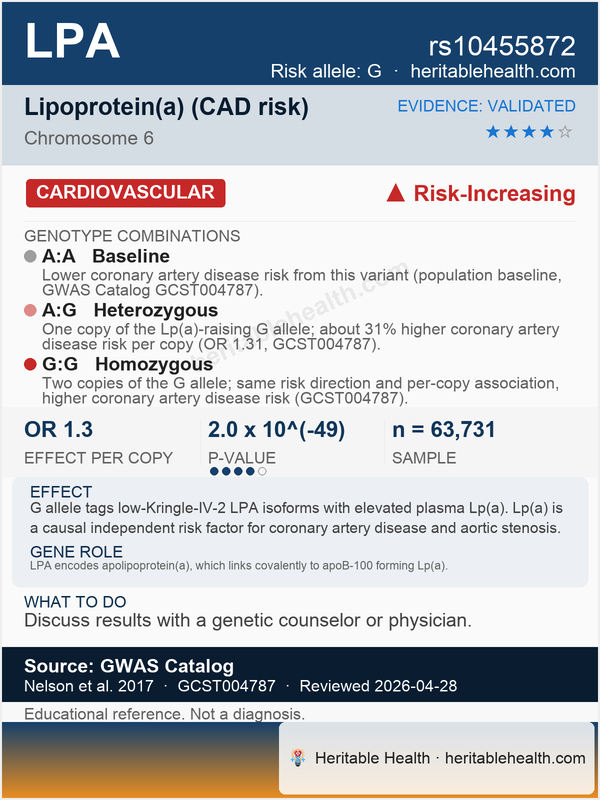
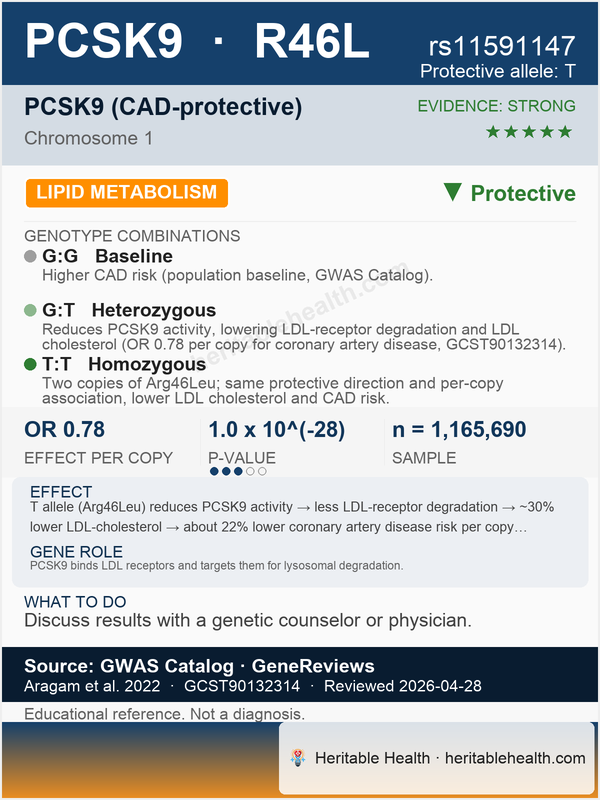
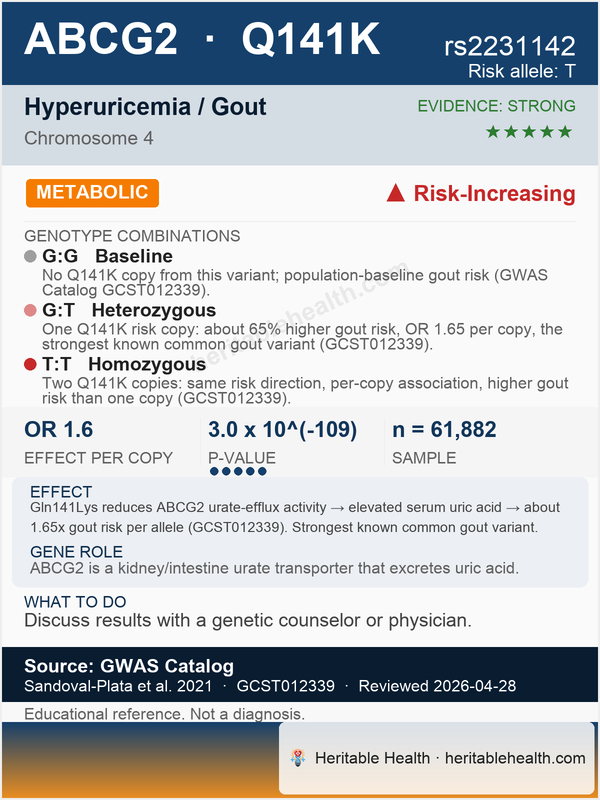
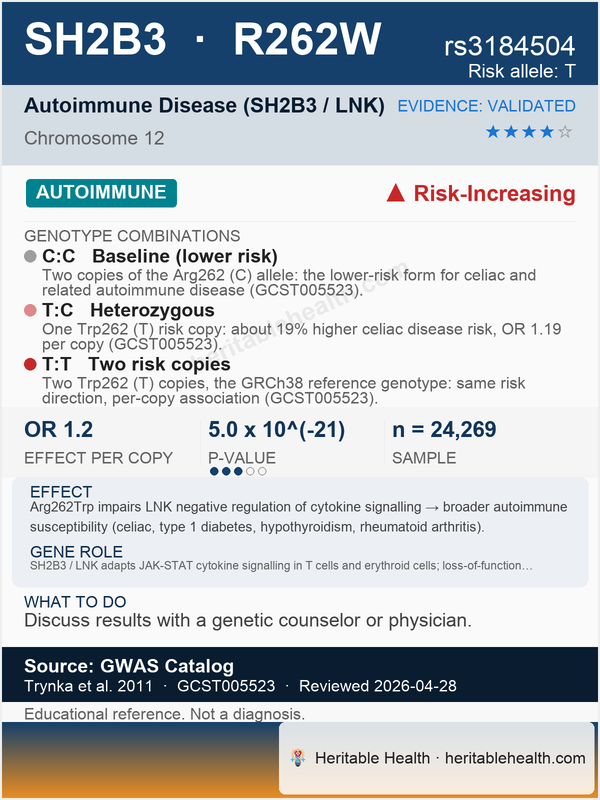
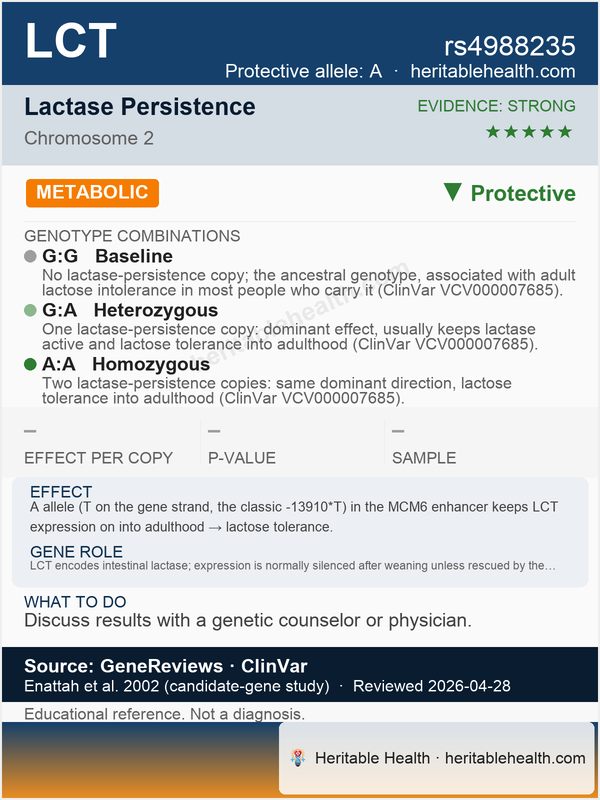
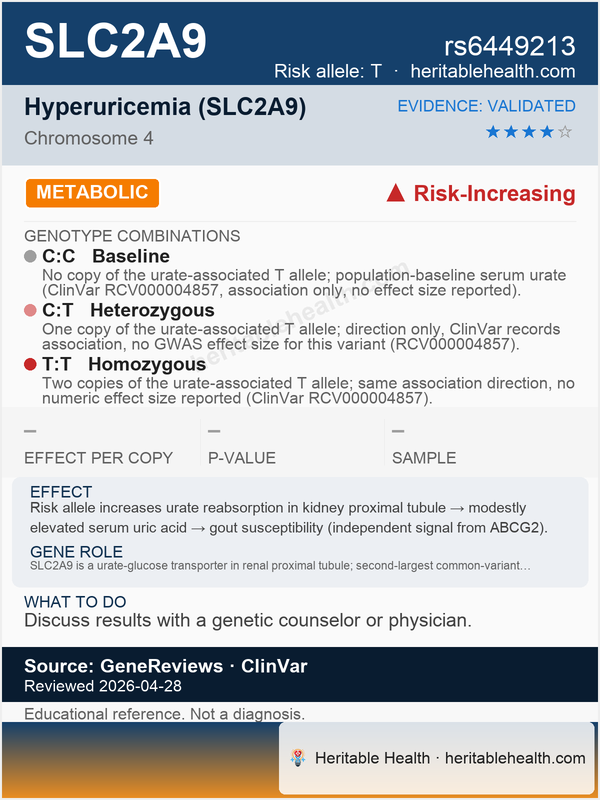
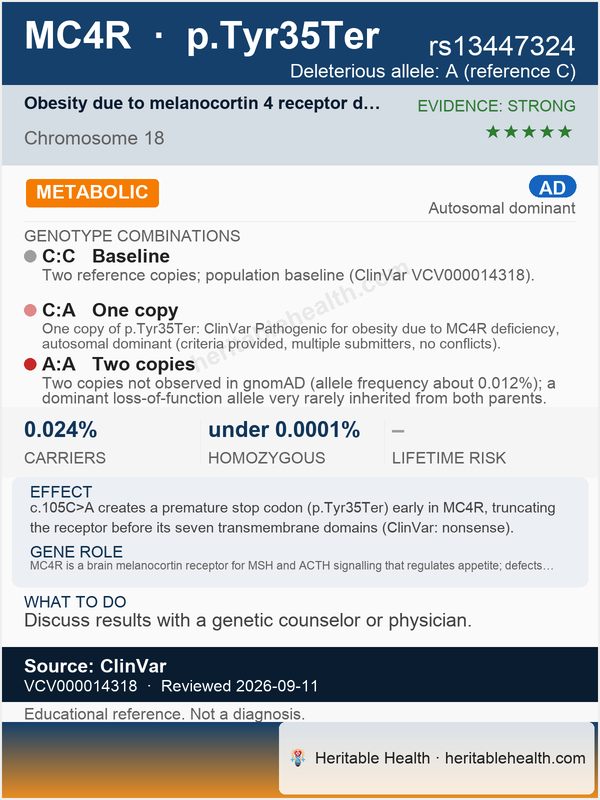
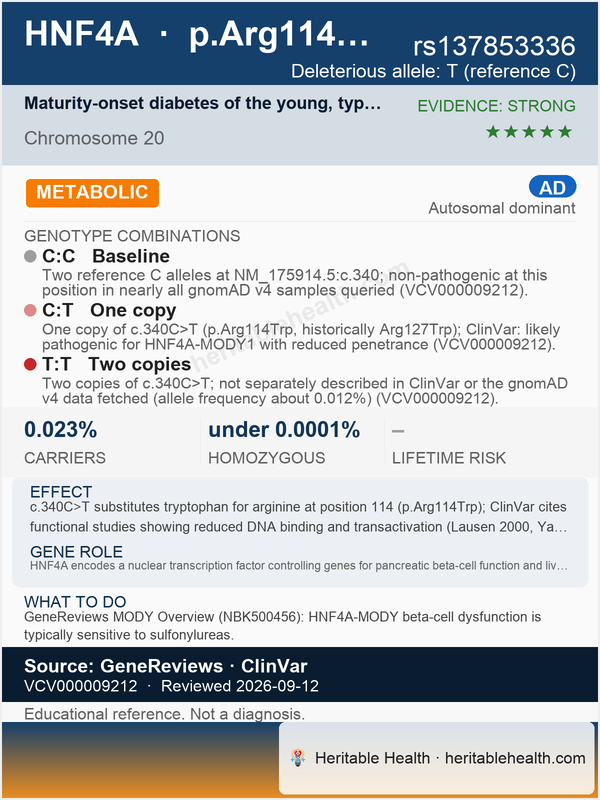
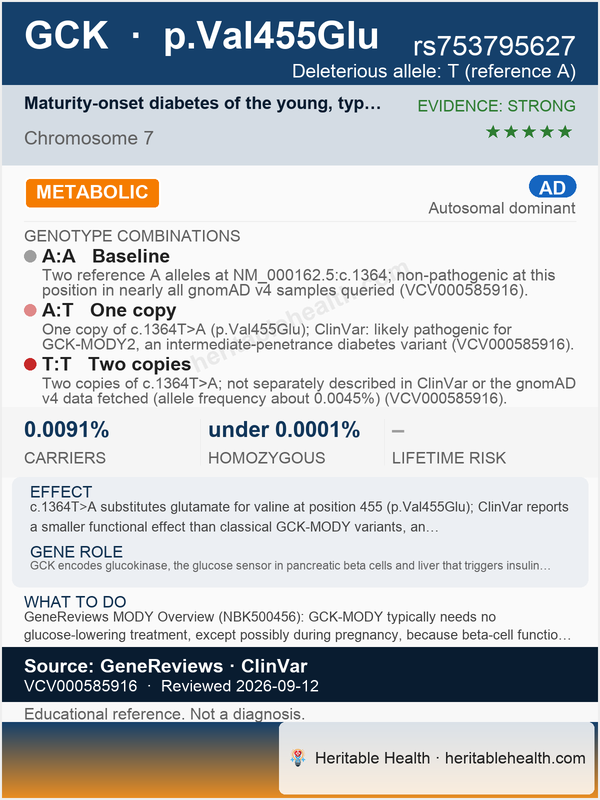
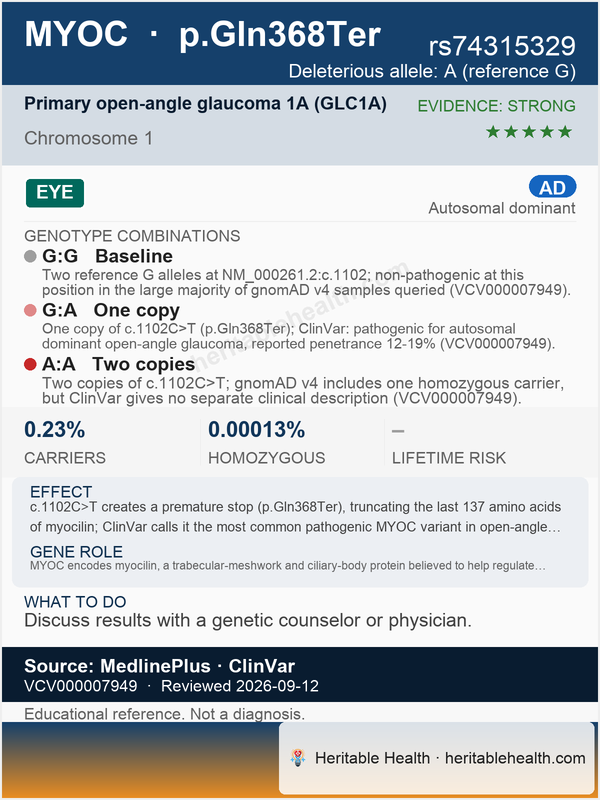
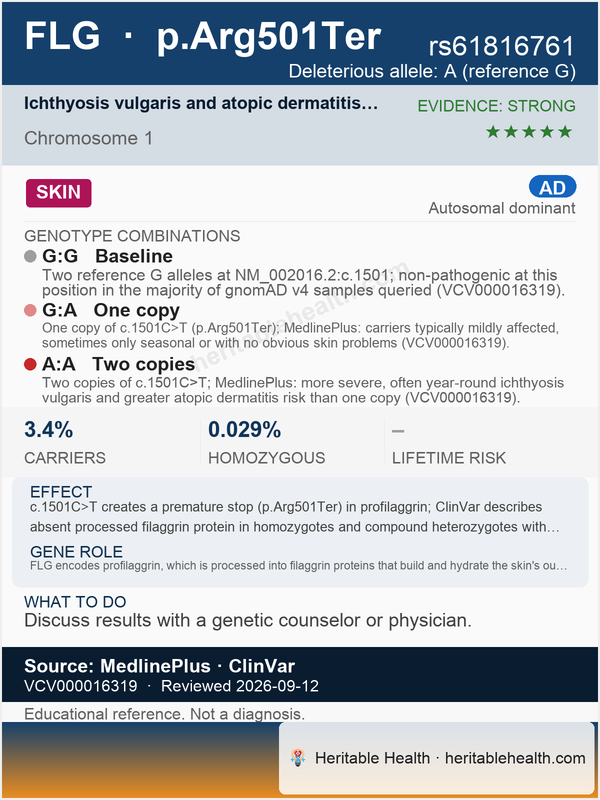
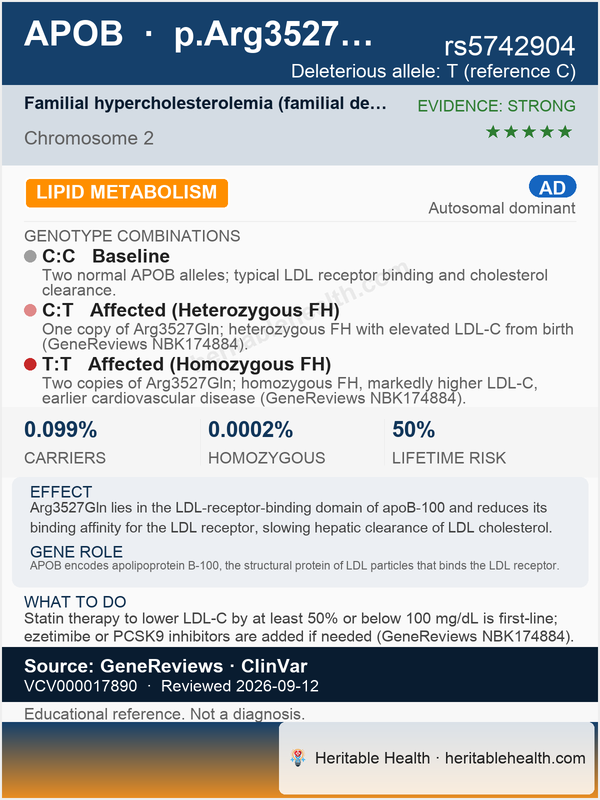
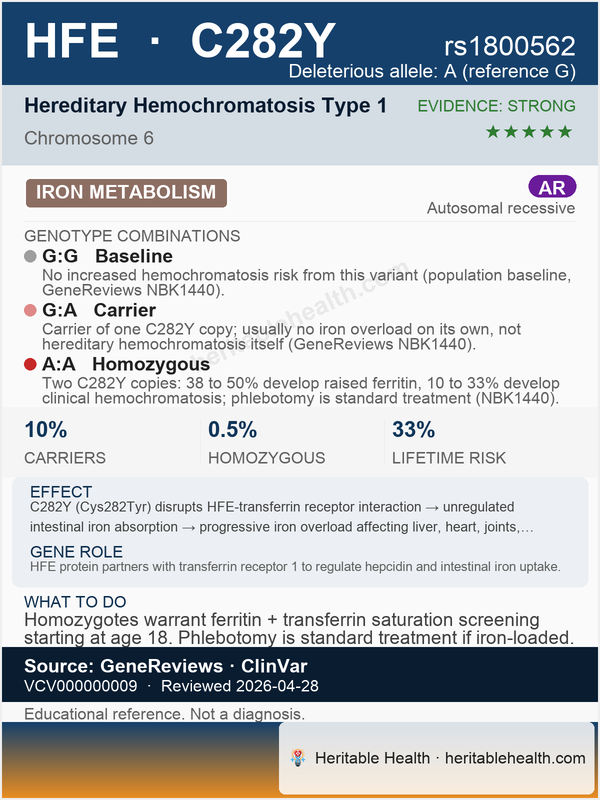
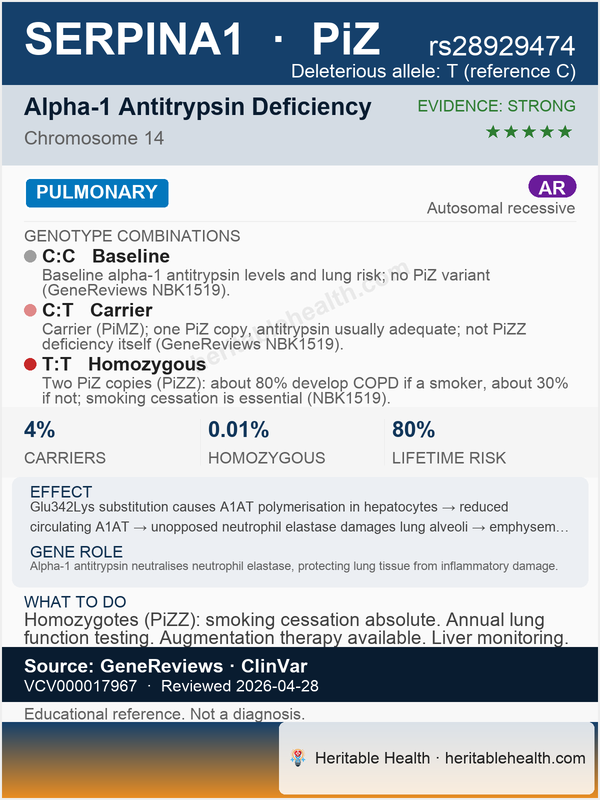
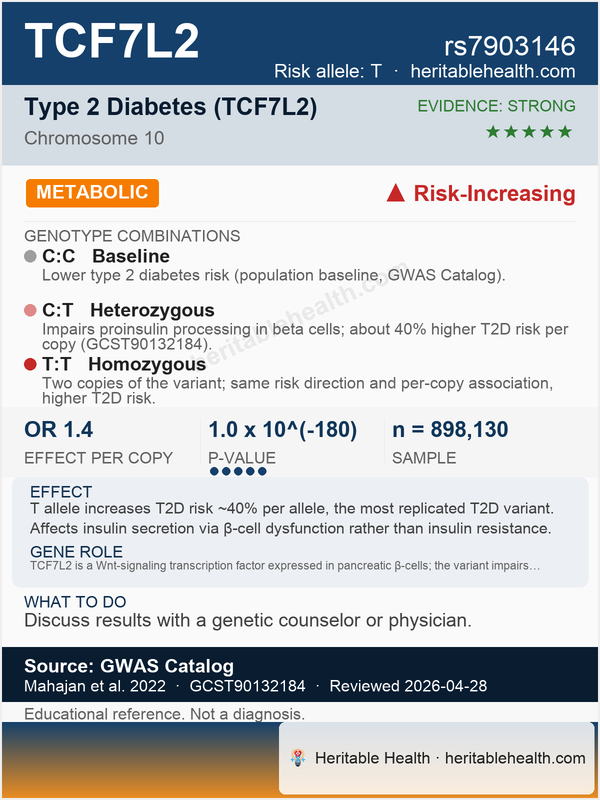
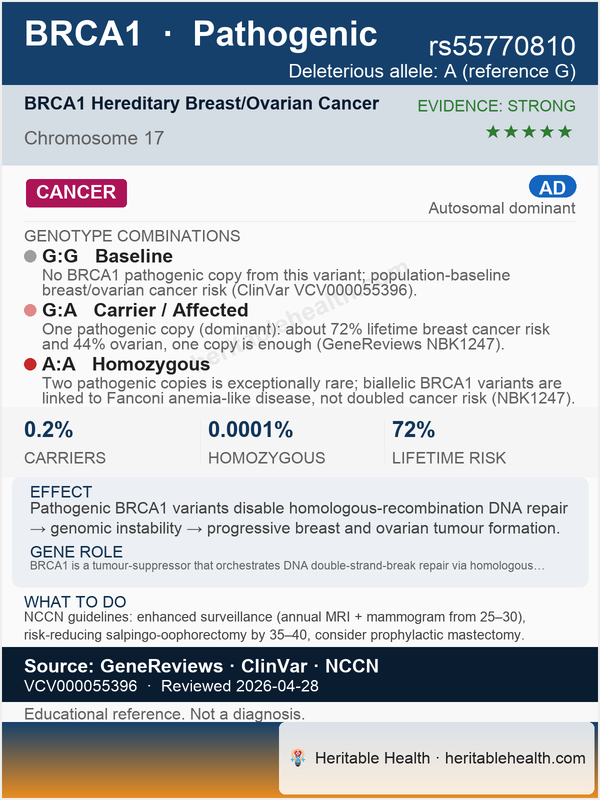
Chaque fiche de la bibliothèque indique ce que mentionne la source, le niveau d’incertitude résiduel et ce que cette information ne peut révéler sur une personne.
Consultez des ressources éducatives vulgarisées sur la recherche génétique publiée. Les inscriptions aux synthèses sont suspendues, et la liste d’attente est ouverte pour recevoir les mises à jour sur la disponibilité.
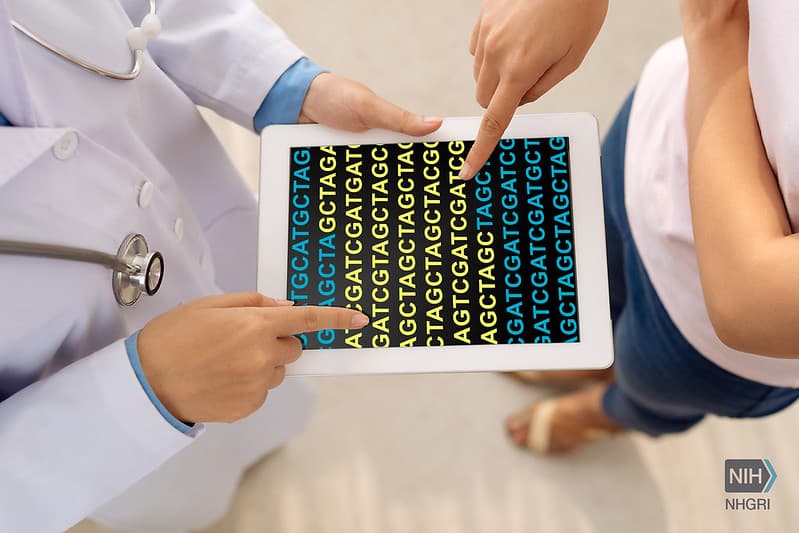
Chaque fiche de la bibliothèque indique ce que mentionne la source, le niveau d’incertitude résiduel et ce que cette information ne peut révéler sur une personne.
La bibliothèque éducative explique les résultats publiés et pourquoi les antécédents personnels et familiaux peuvent en modifier la signification.
Utilisez la bibliothèque pour préparer des questions destinées à un professionnel de la santé qualifié au sujet des renseignements déjà présents dans votre rapport.
Vous pouvez voir ce qu'une source soutient, ce qui demeure incertain et ce qui ne peut être déduit d'un seul résultat.
Les rapports génétiques grand public peuvent être difficiles à interpréter sans accompagnement. Les antécédents personnels et familiaux peuvent modifier la signification d’un résultat; adressez vos questions à un professionnel de la santé qualifié.
Une discussion avec un professionnel de la santé qualifié peut apporter un éclairage utile et vous éviter de considérer un seul résultat comme une réponse définitive.
Si un rapport soulève une inquiétude pour votre santé, apportez le rapport original à un professionnel de la santé qualifié. Il pourra déterminer les renseignements pertinents selon votre situation.
La bibliothèque de Heritable Health résume les recherches publiées pour vous aider à préparer vos questions sur un rapport existant. Elle ne fournit aucun conseil de santé personnalisé.
Si un élément du rapport vous préoccupe, discutez du rapport original avec un professionnel de la santé qualifié en mesure de l’évaluer à la lumière de vos antécédents personnels et familiaux.
Une courte sélection de fiches éducatives comprenant des liens vers les sources, des notes sur le degré de certitude et des questions à considérer.
We know this genomic information can be heavy, so we have gathered some news articles that might brighten your day, feel free to visit Bonnes nouvelles réjouissantes et Nouvelles génomiques for the best and brightest news articles we could find today.
Rejoignez la liste d’attente pour savoir quand les synthèses basées sur des rapports accueilleront de nouveaux membres. La bibliothèque éducative demeure accessible.
Rejoignez la liste d'attenteParcourez la bibliothèque éducative et repérez les sujets que vous souhaitez approfondir.
Inscrivez-vous sur la liste d’attente pour recevoir des nouvelles sur les synthèses basées sur vos rapports génétiques existants.
Si les inscriptions aux synthèses ouvrent dans votre région, nous vous expliquerons les étapes à suivre avant que vous ne partagiez un rapport.
Heritable Health élabore des comptes rendus en langage clair à partir des rapports génétiques que les membres possèdent déjà. Le service n’accepte pas de nouvelles inscriptions pour le moment.
Les nouvelles inscriptions aux synthèses sont suspendues. Rejoignez la liste d’attente pour suivre l’évolution des disponibilités.
Le partage de nouveaux rapports est suspendu. La bibliothèque éducative reste accessible sans téléversement, et les formats acceptés seront communiqués avant l’ouverture des inscriptions.
Notre politique de confidentialité explique comment les renseignements génétiques sont stockés, utilisés et partagés.
Présentez le rapport original à un professionnel de la santé qualifié qui pourra l’examiner à la lumière de vos antécédents personnels et familiaux. L’accès et les coûts varient selon le lieu et le professionnel consulté.
Si les inscriptions ouvrent, nous vous expliquerons le fonctionnement du service avant que vous ne partagiez le moindre renseignement.
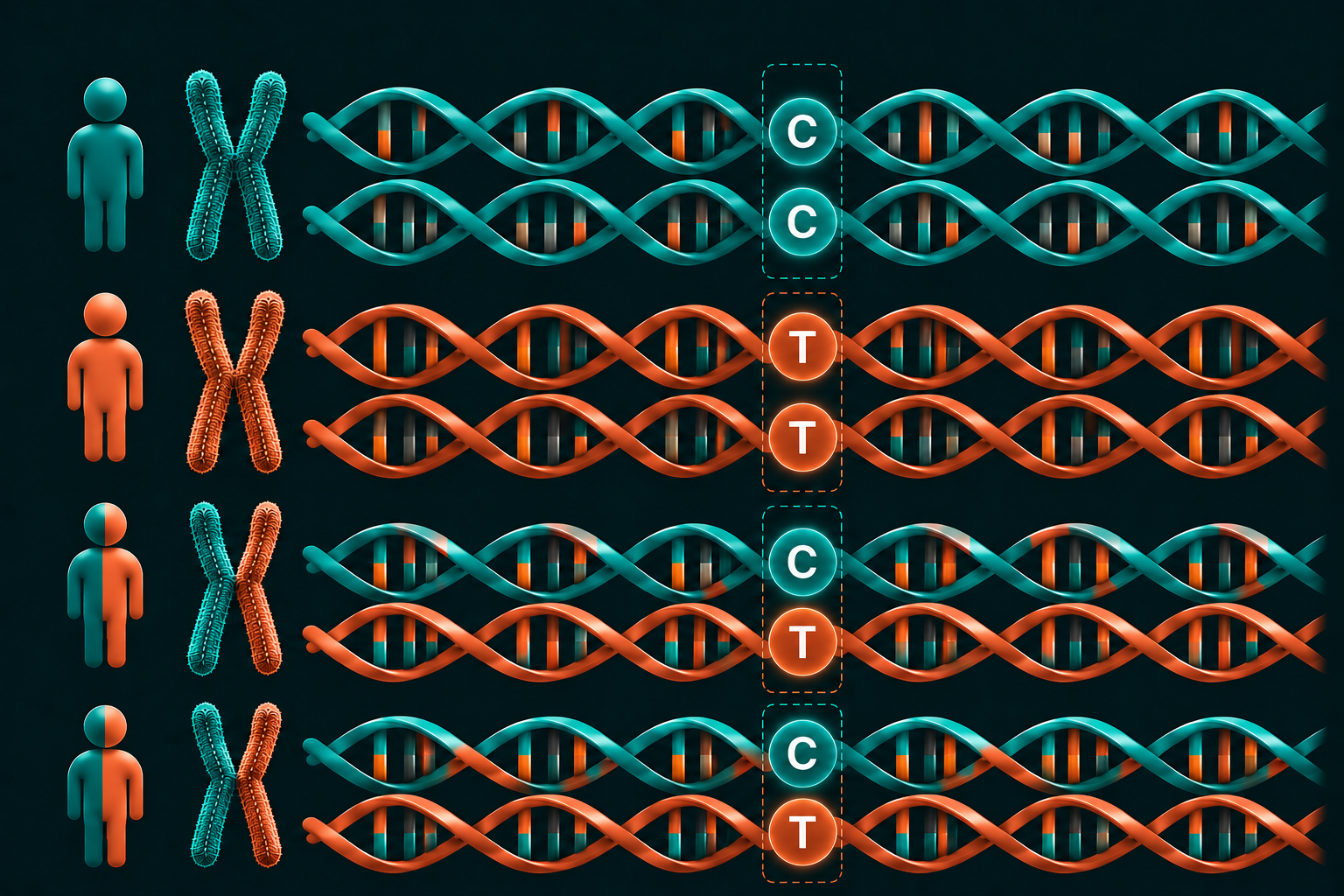
Les êtres humains partagent la majeure partie de leur ADN, avec de petites variations d’une personne à l’autre. Les chercheurs étudient ces variations pour mieux comprendre les caractères héréditaires, mais une seule variation ne brosse pas un tableau complet de la santé d’une personne.
Un polymorphisme d'un seul nucléotide, souvent appelé SNP, est une variation à une position précise de l'ADN. Les chercheurs étudient des modèles parmi plusieurs de ces variations ; un SNP à lui seul ne détermine pas la santé d'une personne.